
Product details
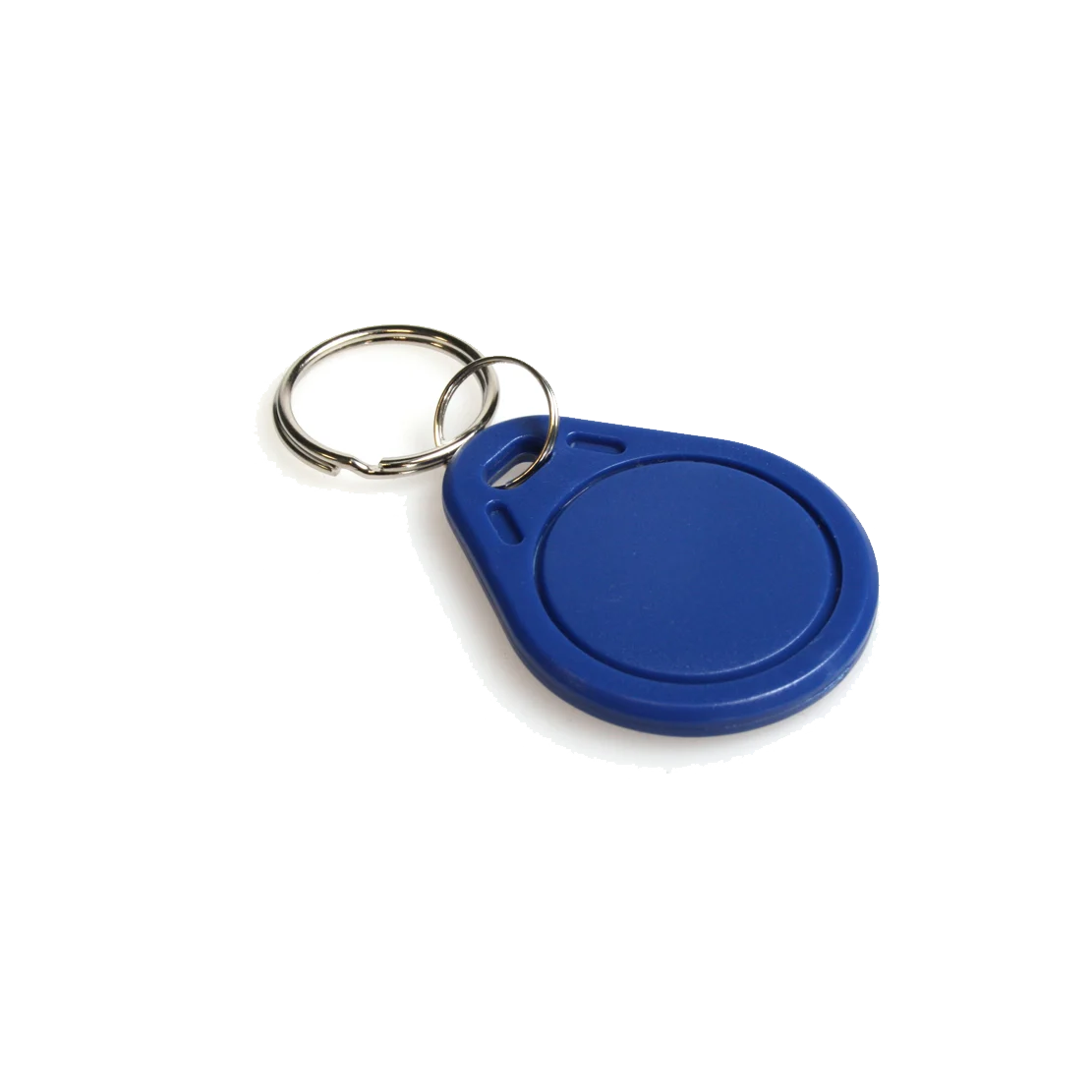
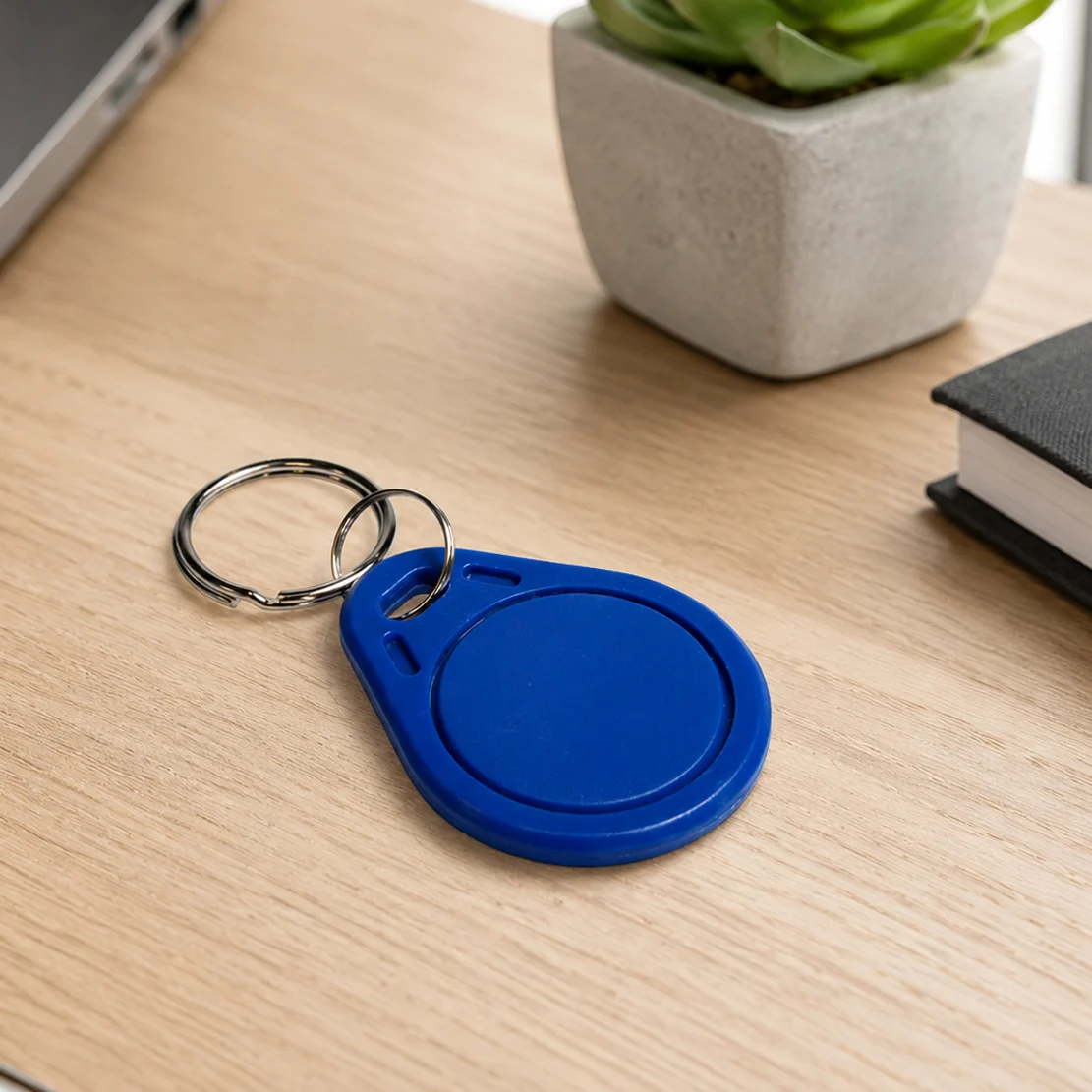
Mifare® Proximity Key Fobs
TheAC-MF-KF key fobs are compact MIFARE® Classic EV1 credentials for compatible RFID access control, authentication and identification systems. Each fob operates at 13.56 MHz and contains 1KB of memory, but it must be enrolled or encoded for the intended system before it can be used.

Mifare® Proximity Fobs
Genuine Mifare® Item
Specifications
- Supplied in a pack of 100 blue key fobs
- MIFARE Classic EV1 1K technology
- 1KB contactless memory
- Operates at 13.56 MHz
- Suitable for compatible access and identification systems
- Can be enrolled using its unique identifier
- Memory can be encoded where supported
- Passive, battery-free operation
How do these Key Fobs Work?
Each fob contains a contactless chip and antenna. When it is held close to a compatible 13.56 MHz reader, the reader creates a radio-frequency field that powers the chip.
The fob then exchanges information with the reader without needing to be inserted or physically connected. The reader passes the recognised credential information to the connected access control, authentication or identification system.
That system can then:
- Identify the credential
- Find the user assigned to it
- Check the user’s permissions
- Record the transaction
- Grant or refuse access
- Log the user into a compatible device or application
The exact action depends on the reader, software and system in which the fob is being used.
Do these Fobs Need To Be Encoded?
The fobs must be added to the intended system before use, but whether they need to be physically encoded depends on how that system is configured.
There are two common methods.
UID-Based Enrolment
Every MIFARE credential has an identifier that a compatible reader can detect. Some systems use this identifier to recognise the fob.
In this type of installation, the administrator generally:
- Presents the fob to an enrolment reader.
- Captures the fob’s identifier.
- Assigns that identifier to a user in the software.
- Gives the user the required permissions.
The access permissions remain within the central software or access controller. No individual door permissions need to be written into the fob’s memory.
Memory Encoding
Other systems use data stored within the fob’s 1KB memory. These installations require a compatible reader/writer and the correct software and encryption keys.
The system administrator or installer may write information such as:
- A customer-specific credential number
- Application data
- Authentication information
- Site or organisation identifiers
- Data used by the connected system
There are no reviews yet.